How to Sleep During a Heatwave When Your Bedroom Stays Hot
A calm bedroom routine for hot nights: protect the room by day, cool your body before bed, use a fan safely, and skip the viral hacks that do not hold up.
The cruel part of a heatwave is the night. A bedroom that was sealed and shaded all day can still sit warm at midnight, and a hot room fights the natural drop in body temperature that helps you fall asleep. The good news is that sleeping through heat is mostly about the person and the small volume of air around the bed, not about re-engineering airflow through the whole flat. The whole-home night routine, which windows to open and where to put a fan, lives in how to cool a house at night with one fan and two windows. This is the bedroom-and-body half of the problem.
And ignore the promise of one ideal bedroom temperature. No single number is right for everyone in every climate; comfortable sleeping conditions are cooler than a hot afternoon, but the exact figure varies by person, age, and what your body is used to. Aim to bring the room and yourself down, rather than chasing a magic number.
During the day: protect the bedroom before you need it
The temperature of your bedroom at midnight is mostly decided at noon. A room that bakes all afternoon will not cool in time for sleep.
So treat the bedroom as a space to defend during the day. Keep its windows closed and its blinds, curtains, or shutters drawn while it is hotter outside than inside, the same logic that runs the whole apartment in how to cool an apartment without AC. Just as important, get heat sources out of the room. The British Red Cross advice for hot nights is to turn off electrical items, even on standby, because they generate heat. A games console, a TV on standby, a laptop charging, a phone charger left in the socket: each adds a little warmth to a room you want cool by bedtime. Move what you can out of the bedroom, and switch off the rest.
The hour before bed: bring your body temperature down
The window before sleep is where you do the most good, by lowering your own body temperature so the room has less to fight.
A shower is the most reliable move. The British Red Cross recommends a lukewarm shower before sleep to bring your body temperature down gradually, and the NHS advises a cool shower or putting cool water on your skin or clothes. Lukewarm rather than ice-cold is the point: very cold water can make the body react and hold heat, while a cool or lukewarm rinse lets your surface temperature drift down. If a shower is not practical, cool water on the wrists, neck, and face does some of the same work.
Set the bed up to shed heat rather than trap it:
- Use light, breathable bedding. The British Red Cross suggests sleeping with a thin cotton sheet that absorbs sweat, and UK health guidance points to loose, light cotton or linen rather than synthetics that trap warmth.
- Wear loose, light sleepwear, or less. Tight fabric holds a layer of warm air against the skin.
- Keep cold water by the bed and sip it. The British Red Cross suggests drinking cold water before bed and keeping some within reach, while avoiding alcohol and caffeine in the evening, both of which disrupt sleep. Sip rather than gulp a litre at lights-out, so you are hydrated without waking for the bathroom.
During the night: stay cool without waking in a sweat
Once you are in bed, the aim is steady comfort, not a cold shock that wears off in twenty minutes.
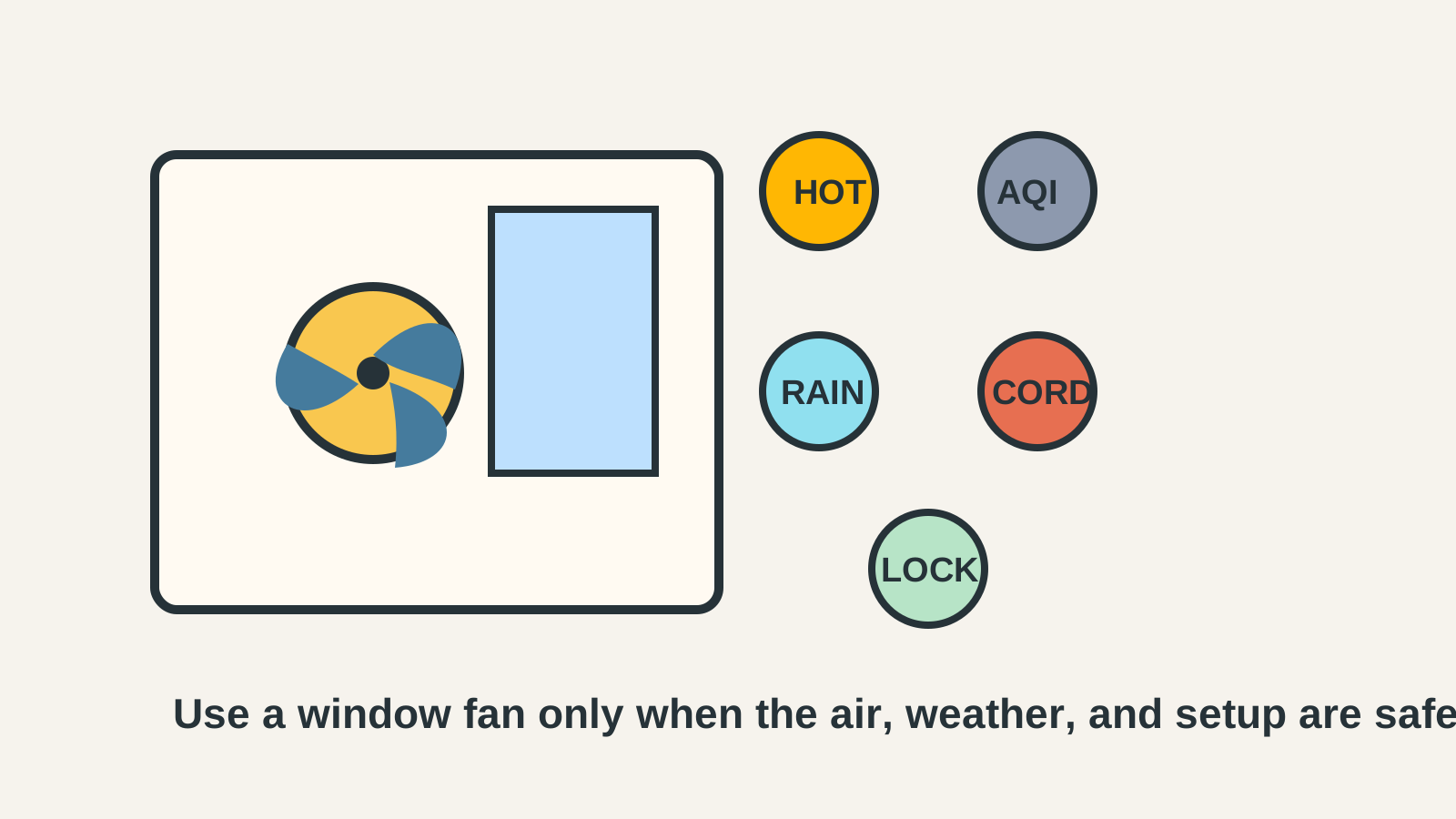
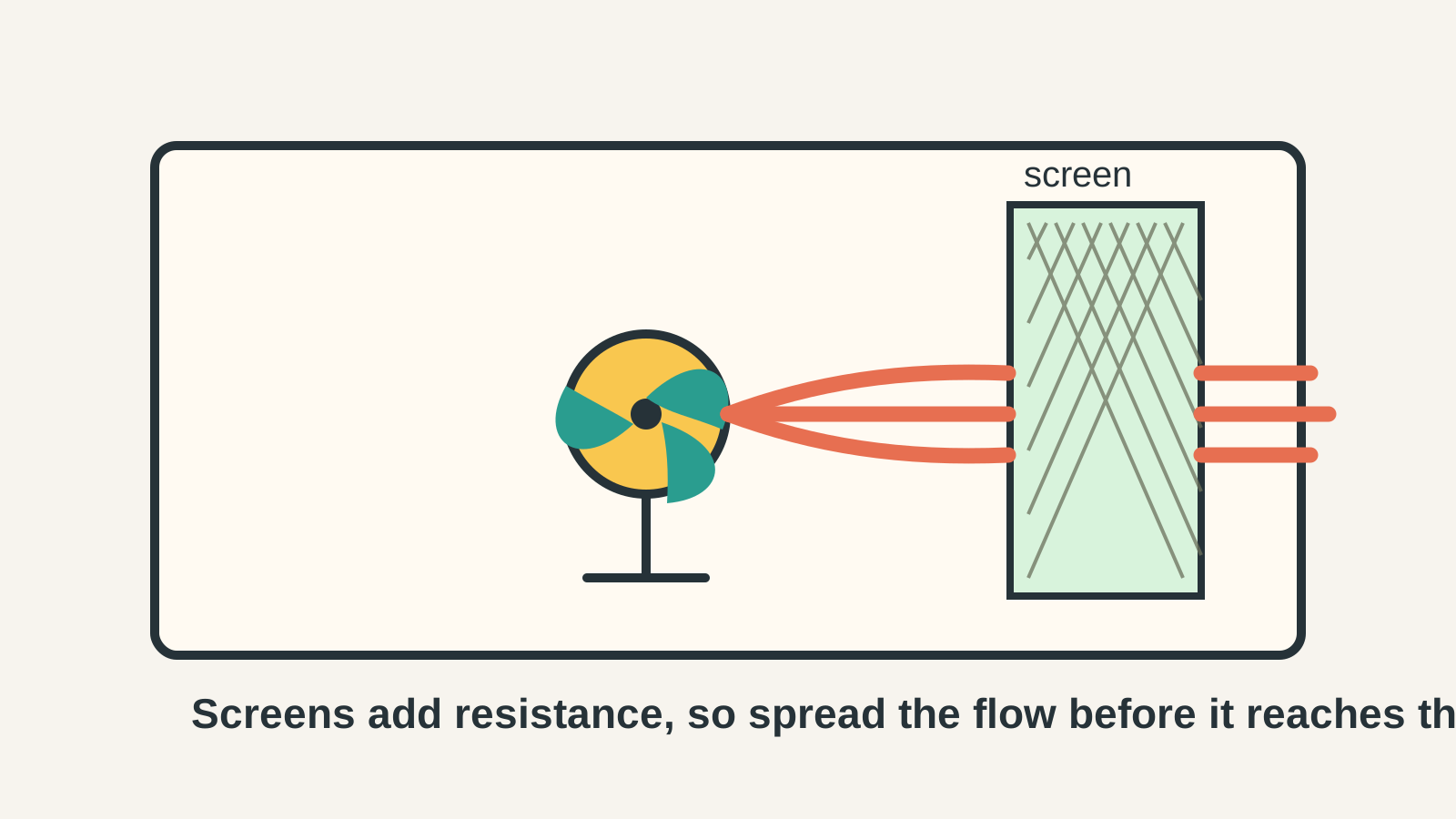
A bedside fan is the obvious tool, and it works here for the same reason it works anywhere: it moves air across your skin so sweat evaporates and you feel cooler. It does not lower the room temperature, and its limits in serious heat are real, which is why fan use has its own safety guide in when not to use a window fan. For a normal hot night below roughly 35 C, a gentle fan aimed near, not blasting directly at, your face is a good companion. Keep a glass of water and a light cloth within reach so you can rewet your skin if you wake. If you are deciding whether a fan is even the right device for your room, the fan vs air cooler vs portable AC comparison covers when moving air is not enough and something that removes heat is worth it.
The viral tips, tested honestly
Hot nights produce a flood of clever-sounding hacks. Some are fine, some are half right, and some are worse than doing nothing. Here is what holds up and what does not.
Freezing your bedding or socks. Cooling your feet does help you feel cooler, and the British Red Cross even suggests chilling a pair of socks in the fridge to put on before bed. As a quick comfort trick, a chilled pillowcase or socks is harmless and can ease the drop-off into sleep. The honest caveat is that it is brief: anything frozen warms to room temperature quickly, and frozen items can leave bedding damp, so treat it as a few minutes of relief, not a plan for the whole night.
Ice directly on the skin. Use cold, but wrap it. First-aid guidance for cooling someone in heat uses cold packs wrapped in a cloth, placed under the armpits or on the neck, rather than bare ice held against the skin, because direct ice can damage skin. A wrapped cold pack on a pulse point is a supported way to cool down; an ice cube run straight over bare skin is not the version to copy.
Sleeping on the floor or the lowest level. There is real logic here, because heat rises. The British Red Cross explicitly suggests sleeping on the lowest level of your home during a heatwave for that reason. Floor level in a room can be slightly cooler than mattress height, and a cooler downstairs room can beat a hot upstairs bedroom. The effect is modest, not dramatic, so use it as a sensible option rather than a miracle.
Wet towels. The supported version is a damp cloth on your skin, which the NHS effectively endorses when it advises sponging with cool water. Draping a wet towel over yourself or in front of a fan is a homemade form of evaporative cooling, and it shares the same weakness as any evaporative method: it adds moisture to the air, which helps in dry heat but can make an already humid room feel clammier. A damp cloth on the wrists or neck is the reliable version. A soaking towel over the bed is a gamble that depends on how humid your night already is.
When sleep is no longer the point
There is a line where this stops being about a bad night and becomes about safety. If you or someone in the home develops the signs of heat illness, dizziness, a pounding headache, feeling sick, confusion, a very high temperature, or skin that has gone hot and stopped sweating, do not keep trying to sleep through it. Cooling the person and getting help comes first. The warning signs, the first-aid steps, and when to call emergency services are set out in the warning-signs section of how to cool an apartment without AC. Vulnerable people, including older adults, very young children, and anyone with a chronic condition, can move from uncomfortable to unwell faster, so check on them during the night rather than assuming a quiet room means a safe one.
A hot bedroom is a problem you soften, not one you always solve. Defend the room by day, cool your body in the hour before bed, keep water and moving air within reach, use the few hacks that hold up and skip the ones that do not, and know the point where cooling matters more than sleep. Most hot nights are survivable with a calm routine. The ones that are not are the ones to take seriously.
What to buy and where it fits
As an Amazon Associate, House of Agile earns from qualifying purchases. Prices and availability change, so check the current listing before buying.
Most of this routine is free. A few inexpensive items make the bedroom half easier, and none of them replace real cooling when heat illness is the risk.
- Cotton or linen sheets (Bedding). Best for: A light, breathable layer that absorbs sweat instead of trapping warmth. In short: loose weave, natural fibre. Watch out: Heavy synthetic blends hold heat against the skin. Compare options on Amazon
- Quiet bedside fan (Moving air). Best for: A gentle stream near the bed on a hot night below roughly 35 C. In short: low noise setting, stable base, aimed near rather than straight at your face. Watch out: A fan does not lower the room temperature and is not a heat-emergency device. Compare options on Amazon
- Blackout curtains (Daytime defence). Best for: Keeping the bedroom shaded through the afternoon so it is not baked by bedtime. In short: a light-coloured or white backing toward the window reflects more heat. Watch out: Close them early; once the room has heated up they only slow the problem. Compare options on Amazon
- Reusable cold packs (Pulse points). Best for: A wrapped cold pack on the neck or under the arms when you wake hot. In short: keep a couple in the freezer through the heatwave. Watch out: Always wrap in cloth; never put ice or a frozen pack on bare skin. Compare options on Amazon
This article is independent analysis by House of Agile. It summarises public health guidance and is general information, not medical advice. If heat illness is developing, follow your local health authority and emergency services.
Sources
Hot-weather sleep and cooling guidance
- British Red Cross, "Keep cool at night during a heatwave." Lukewarm shower before bed, a thin cotton sheet, loose sleepwear, sleeping on the lowest level because heat rises, turning off electrical items that generate heat, chilled socks, cold water by the bed, and avoiding alcohol and caffeine in the evening. https://www.redcross.org.uk/get-help/prepare-for-emergencies/heatwaves-uk/advice-and-tips/keep-cool-night
- NHS, "Heatwave: how to cope in hot weather." Cool shower or cool water on the skin, cold drinks while avoiding alcohol and caffeine, light clothing, and fans helping while the temperature is below 35 C. https://www.nhs.uk/live-well/seasonal-health/heatwave-how-to-cope-in-hot-weather/
- UK Health Security Agency, "How to keep cool and stay well during hot weather." Loose, light cotton or linen, and cool water on pulse points. https://ukhsa.blog.gov.uk/2026/06/23/how-to-keep-cool-and-stay-well-during-hot-weather/
Heat illness signs and safe cooling
- NHS, "Heat exhaustion and heatstroke." Cooling with cold packs wrapped in a cloth under the armpits or on the neck rather than bare ice, the warning signs of heat exhaustion and heatstroke, and when to call 999. https://www.nhs.uk/conditions/heat-exhaustion-heatstroke/
- World Health Organization, "Climate change, heat and health." Older adults, infants and children, and people with chronic conditions are at higher risk in heat. https://www.who.int/news-room/fact-sheets/detail/climate-change-heat-and-health